Fall Sale- 25% off sitewide
 free shipping on all orders!

Cart
0
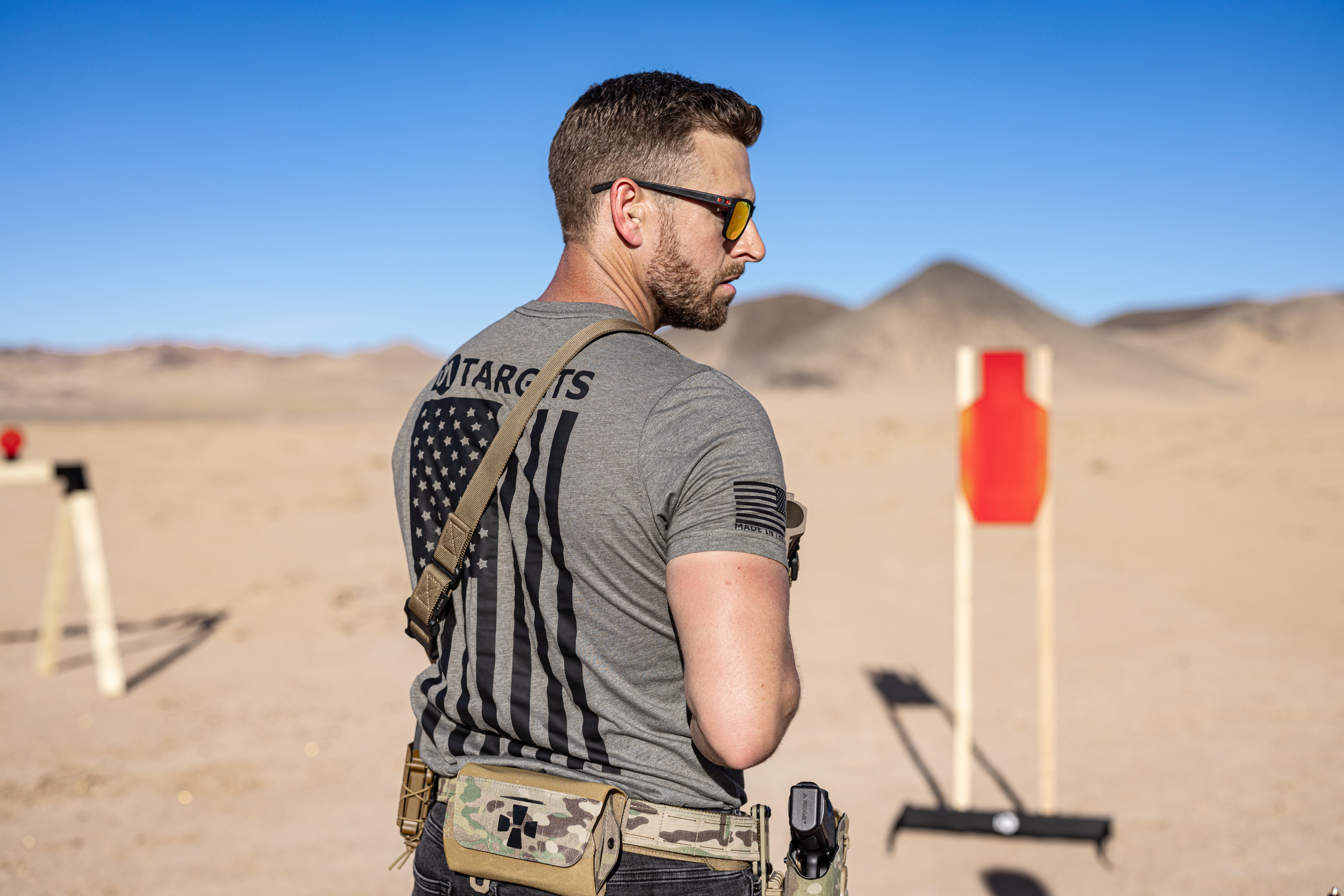
For decades, steel and paper targets have been the mainstays of shooting ranges. Steel is durable and reactive, but it can bring added safety policies and liability concerns. Paper is inexpensive and familiar, but it offers limited feedback from the firing line and needs constant replacement.
Self-healing shooting targets are changing the game. Shooters want clearer confirmation, less downtime, and targets that keep up with real practice.
Here are the top five reasons self-healing targets are replacing both steel and paper at ranges nationwide.
What Are Self-Healing Shooting Targets?
Self-healing shooting targets are reusable polymer targets that flex as a round travels through the material, then close back up so the target stays intact for repeated use. DA Targets include high-visibility hit indication, such as a temporary color change, so you can confirm shot placement quickly without taping, repainting, or swapping paper every few strings.
Quick Comparison: Paper Vs Steel Vs Self-Healing Shooting Targets
- Paper targets: Low cost per sheet, but limited feedback at distance and frequent replacement.
- Steel targets: Strong reaction, but heavy, often higher maintenance, and commonly paired with stricter safety rules.
- Self-healing shooting targets: Reusable range targets that reseal after hits and can deliver instant feedback shooting targets performance through impact-activated feedback, including color-changing shooting targets on some models.
| Feature | Paper Targets | Steel Targets | Self-Healing Targets (DA Targets) |
|---|---|---|---|
| Hit feedback | Limited visibility at distance; often requires walking downrange | Sound/movement feedback; visibility often depends on repainting | Impact-activated visual feedback on color-changing models; easier confirmation from the firing line |
| Replacement frequency | High | Low, but components can wear over time | Low; reusable polymer reseals after hits |
| Maintenance | Frequent swaps, patching, and cleanup | Often involves repainting, inspection, and hardware checks | Low maintenance by design; reduced taping/painting/replacement |
| Portability | Very light | Heavy | Portable and reusable across multiple sessions |
1. Ricochet-Free Safety
Self-healing targets can reduce ricochet and fragmentation concerns compared to steel because they do not rely on a rigid plate to create reaction.
Steel can be safe when used correctly, but it remains a hard surface. That is why many ranges treat steel as a specialized option with distance rules, angle rules, and staff oversight. Even for experienced shooters, steel adds a layer of management that not every facility wants to carry every day. In some markets, insurance and liability considerations also influence how broadly steel is allowed.
Paper targets avoid hard-surface impact behavior, but they introduce a different problem: they slow training. If you cannot see hits clearly from the firing line, you end up stopping constantly to check, patch, and replace.
Self-healing shooting targets sit in a practical middle ground. The round travels through the polymer, the target reseals, and you get reactive performance without depending on a hard plate for feedback.
What This Looks Like On The Firing Line
A Weekend Range Shooter Who Is Tired Of Paper And Steel Hassles
A shooter who hits the range regularly knows the routine. Paper gets chewed up fast, holes get hard to see, and you end up stopping to swap targets more than you want. Steel is fun and reactive, but it can come with stricter range rules and the extra work of keeping targets visible and in good shape.
Switching to reusable polymer targets keeps the best parts of both. You still get reactive feedback you can see from the firing line, but without the constant replacement cycle of paper target alternatives. It is a simple upgrade that makes range time feel smoother, more focused, and more enjoyable.
Self-healing targets reduce hard-surface risk compared to steel while delivering clear, immediate feedback that paper targets cannot.
2. Built-In Visual Feedback: Color-Change Technology
Self-healing targets speed up improvement because hit confirmation happens immediately, not after a reset.
Paper targets tell the truth, but usually too late. At real range distances, holes can be hard to see, especially in mixed lighting or once a target gets crowded. Steel targets give sound and sometimes movement, but you still may not know exactly where the round landed without repainting, walking downrange, or running extra gear.
DA Targets solve this with patented color-change technology. These are color-changing shooting targets designed for impact-activated feedback. When a bullet strikes the target, the impact area temporarily shifts to a high-contrast color, making new hits easy to spot right away, even from the firing line. That temporary color change typically lasts about 30 seconds and up to a few minutes, then fades back so the target is ready for the next string. This makes it easier to separate fresh impacts from older ones and keep tracking your groups without taping or painting.
- You instantly see every hit, so adjustments happen faster.
- There is no taping, no painting, and no hassle, which reduces downtime.
- You get clearer performance tracking than paper and more visual clarity than steel.
Self-healing targets deliver a practical upgrade from steel and paper with patented color-change feedback that makes every hit easy to confirm in real time.
3. Self-Healing Durability That Outlasts Paper And Holds Up Better Than Steel Over Time
Self-healing targets reduce downtime and replacement cycles because the target is built to recover and stay usable after repeated hits.
Paper targets are disposable by design. Even a focused range session can chew through multiple sheets, backers, tape, and staples. Over weeks of consistent practice, paper target alternatives become a logistics problem as much as a training tool.
Steel targets are durable, but “durable” is not the same as “maintenance-free.” Steel often needs repainting for visibility, hardware checks, and ongoing inspection. Over time, steel can show wear that changes how it performs and may eventually require repair or replacement to keep it running the way you want.
Self-healing shooting targets are built for repetition. Many shooters describe them as self-healing polymer targets or self-sealing targets because the material closes back up and maintains a usable surface across many sessions. DA Targets are rated for 10,000+ rounds, which is why many shooters view them as a reusable target system that can replace stacks of paper and reduce the ongoing upkeep common with steel.
What This Looks Like On A Typical Range Day
A Frequent Range Shooter Who Wants More Reps With Less Reset Time
A shooter who hits the range every weekend used to show up with a stack of paper targets and still ended up swapping them constantly once holes got hard to see. On steel days, it was a different routine: repaint for visibility, check the setup, and deal with wear over time. After switching to reusable polymer targets, that shooter runs the same target across multiple range trips, sees hits faster, and spends more time shooting instead of replacing paper or maintaining steel.
Self-healing targets replace constant paper restocks and reduce steel upkeep, so more of your range time stays focused on shooting.
4. Lightweight And Portable Shooting Range Targets
Self-healing targets are easier to carry and deploy than many steel systems, making it more likely you will actually train.
Steel is effective, but it is heavy. That weight affects transport, setup time, storage, and how often you decide to bring the system with you. If a target setup is a hassle to move, it gets used less. That is true for individual shooters and even more true for anyone managing multiple lanes.
Paper is light, but it comes with its own burden: constant replacement, mounting supplies, and cleanup. It is portable, but not efficient.
Reusable polymer targets offer a practical middle path. They are portable range targets that pack easily, set up quickly, and hold up across multiple sessions. For shooters building a reliable set of gun range targets, portability is not a luxury. It is what keeps training consistent when time is tight.
Portable shooting range targets make it easier to train more often because setup and transport stop being the bottleneck.
5. Low Maintenance Ownership Equals Lower Long-Term Cost
Self-healing targets often win on total cost because you spend less time, less effort, and fewer dollars replacing and maintaining targets.
Steel targets can require inspection, repainting for visibility, and replacement when components wear or get damaged. Paper targets must be replaced frequently, which adds recurring cost and ongoing waste. In both cases, there is a hidden bill attached to every session: either time or consumables.
Self-healing shooting targets are low maintenance targets by design. Their reactive surface provides consistent feedback without the constant cycle of taping, repainting, or replacing. Over time, many shooters treat the setup like a reusable target system rather than a disposable accessory, because it keeps showing up session after session without the recurring chores.
The Low-Maintenance Range Setup That Pays Off Over Time
A Frequent Range Shooter Who Wants Lower Long-Term Cost With Less Reset Work
A shooter who hits the range regularly knows how the “cheap target” turns expensive. Paper targets get swapped constantly once holes stack up, then you’re buying more paper, more tape, more backers, and you’re spending part of every session resetting instead of shooting. Steel lasts longer, but it can come with its own routine: checking hardware, keeping targets visible, and dealing with ongoing upkeep that adds time to every trip.
With self-healing shooting targets, the routine changes. You bring the same reusable range targets session after session, get clear hit feedback, and stop treating targets like consumables. There is less trash to haul out, fewer supplies to remember, and fewer interruptions that break your rhythm. Over a month of range trips, the savings are not just dollars. It’s time, focus, and more reps per visit, which is why many shooters see reusable polymer targets as cost effective targets with a smoother ownership experience than paper target alternatives or steel target replacement setups.
Low maintenance targets reduce reset work and recurring purchases, so your range budget goes further and your sessions stay focused.
DA Targets Self-Healing Shooting Targets: 3 Styles Built for Different Range Goals
DA Targets keeps the lineup simple on purpose: pick the target shape that matches the way training actually happens, then get the same core advantages over paper and steel. Self-healing polymer that reseals after hits, plus instant visual feedback on color-changing models so hits are easier to confirm without taping, repainting, or swapping targets mid-session.
Silhouette Shooting Targets
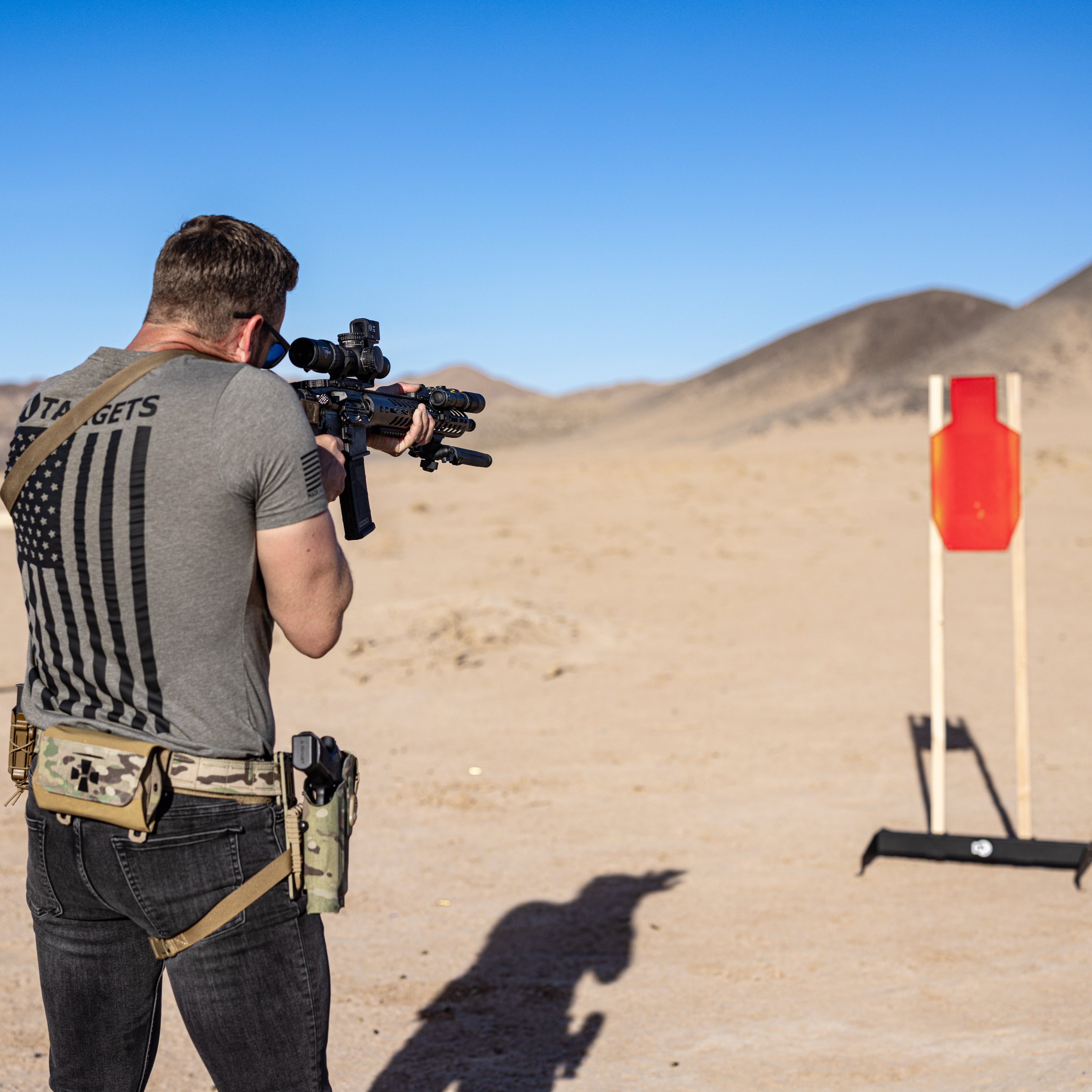
Silhouette targets are the “train like it counts” option. The shape is built for realistic practice and structured drills where target zones, transitions, and accountability matter more than simply punching holes in paper. On impact, color-changing silhouette models flash a temporary high-contrast hit indicator, then fade back so the target is ready for the next string of fire without resetting or walking down range.
What silhouette targets replace:
- Paper targets, because hits are easier to see from the firing line and the target stays usable across repeated sessions.
- Steel targets, when the goal is reactive feedback and faster flow without relying on a rigid plate.
Explore silhouette options, including the Full-Size Silhouette Color-Changing Self-Healing Target and the Half-Size Silhouette Target.
Gong Shooting Targets
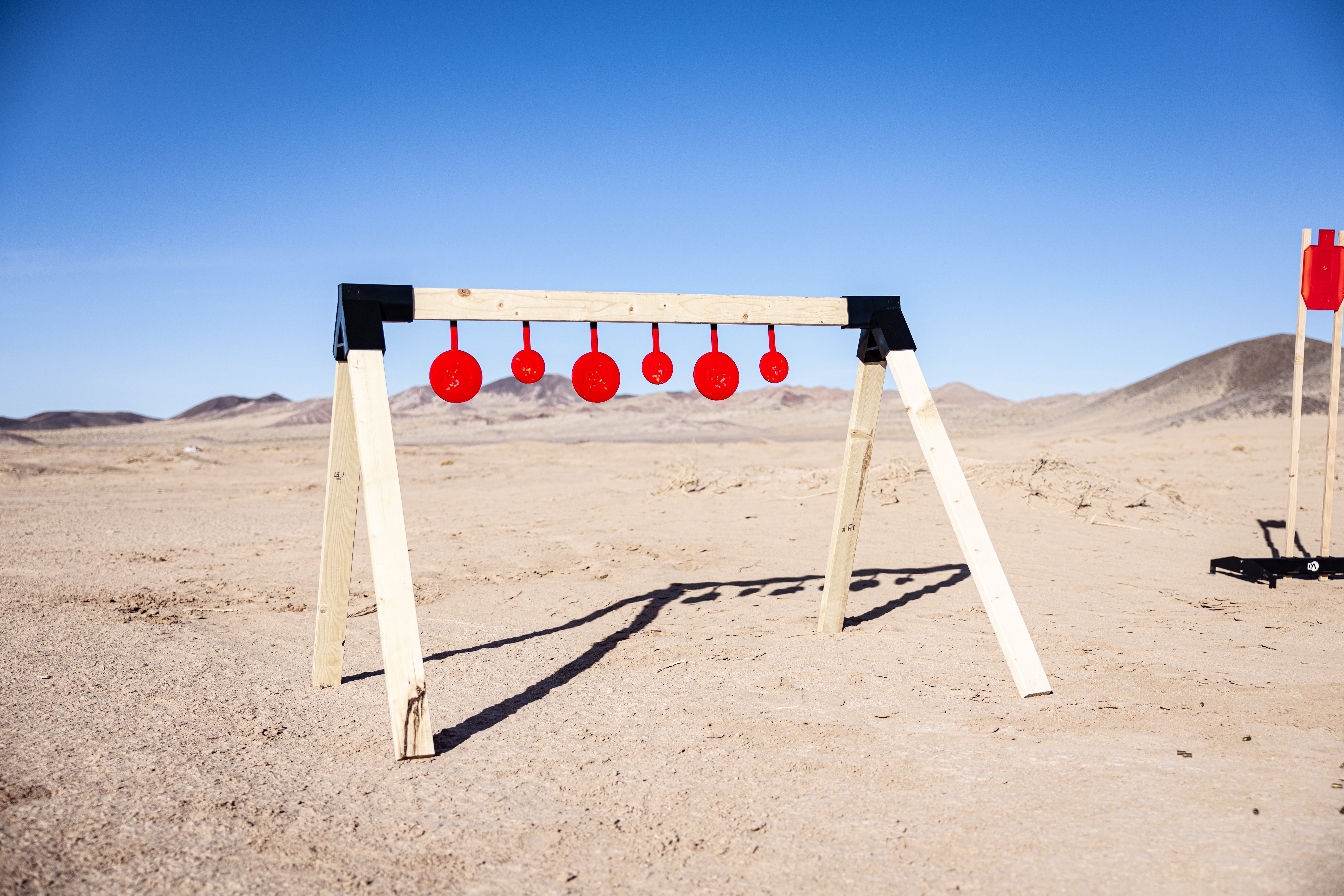
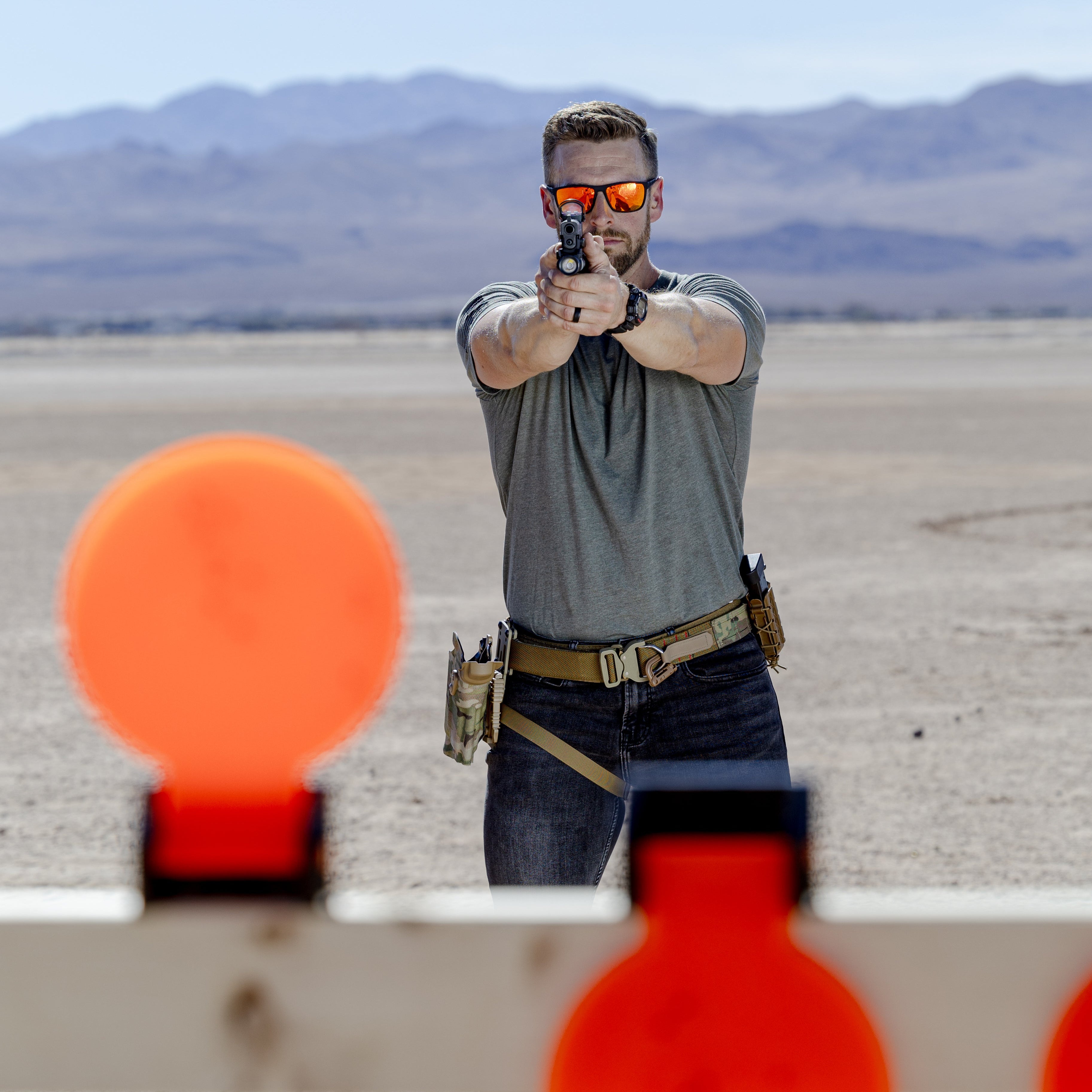
Gong targets are the “simple aim point, fast feedback” option. The round shape makes it easy to run tight groups, confirm holds, and keep a clean sight picture across pistol and rifle practice. DA Targets gong models include multiple sizes (including 4-inch and 6-inch options) , with color-changing versions that show a temporary impact flash for quick confirmation at distance.
Why gongs are the upgrade:
- Faster confirmation than paper at typical range distances, especially once paper starts getting crowded with holes.
- Less hassle than steel setups that often involve visibility maintenance and heavier transport.
Shop gong shooting targets.
Knockdown Shooting Targets
Knockdown targets are the “reactive reps and reset” option. This style is built for satisfying, repeatable training where a clean hit results in a clear reaction, then the target is reset and run again. DA Targets knockdown targets also offer color-changing feedback on impact and are positioned as a reusable alternative to paper replacement cycles.
Why knockdowns fit the paper-to-reactive upgrade path:
- Reactive confirmation without treating targets like consumables.
- A more dynamic drill option that still keeps the core self-healing, low-maintenance ownership experience.
Explore knockdown shooting targets.
The Future Of Target Technology
Self-healing, reactive polymer shooting targets are redefining what shooters expect from range equipment. DA Targets’ color-change design brings together durability, immediate visual confirmation, and an easier ownership experience that addresses the biggest limitations of both steel and paper.
As more shooters demand real-time confirmation without constant replacement, self-healing shooting targets are becoming the future of training: safety-minded, reusable, and truly reactive.
Bring Less Gear, Shoot More, And See Every Hit Faster
Shop DA Targets self-healing shooting targets and build a set of reusable range targets you can take to the range every trip. Get quick visual confirmation, fewer resets, and a cleaner range routine without burning through paper or dealing with steel upkeep.
Frequently Asked Questions (FAQ)
Are Self-Healing Shooting Targets A Good Paper Target Alternative?
Yes. Self-healing shooting targets are reusable polymer targets that reseal after hits, so practice keeps moving without constant target swaps, tape, or cleanup. For high-frequency range use, the day-to-day benefit is less downtime and fewer consumables compared to paper.
Are Self-Healing Shooting Targets A Steel Target Replacement?
For many training scenarios, yes. Self-healing targets can deliver reactive feedback without depending on a rigid steel plate for reaction, which is why they are often chosen when the goal is a simpler routine than steel plus repainting and hardware checks. Always follow the product guidance and range rules for safe use.
How Do Color-Changing Shooting Targets Work, And How Long Does The Color Change Last?
Color-changing shooting targets use impact-activated feedback in the target material itself. On impact, the hit area temporarily shifts to a high-contrast color, then fades back so it is easier to spot new hits without repainting or electronics. The temporary change is typically around 30 seconds and can last up to a few minutes depending on conditions.
What Calibers Work With DA Targets Self-Healing Shooting Targets?
DA Targets work with most common pistol and rifle calibers, from .22 LR up to .308 and larger, with product specs listing support up to .50 BMG. For best results, use FMJ (ball) ammo and avoid hollow points, wadcutters, and blunt-faced bullets; minimum projectile velocity is 800 FPS.
Which Self-Healing Target Style Should Be Chosen: Silhouette, Gong, Or Knockdown?
Choose silhouette targets for realistic training shapes and structured drills, gong targets for clean aim points and fast group feedback, and knockdown targets for highly reactive repetition-based sessions. The best pick is the one that matches the most common drills and distances used, because consistency is what drives improvement, not the fanciest target in the bag.